
Role, Skills, Certifications and Career Path Explained
As digital transformation accelerates across industries, internal audit functions are undergoing a profound evolution. Traditional financial audits are no longer sufficient. Today, organizations must evaluate not only their financial controls, but also the strength, effectiveness and compliance of their cybersecurity systems.
At the intersection of governance, risk management and information security lies a role that is both strategic and increasingly indispensable: the Cybersecurity Internal Auditor.
In a world shaped by regulatory scrutiny, ransomware attacks and growing board-level accountability, cybersecurity auditing has become a cornerstone of organizational resilience.
What Does a Cybersecurity Internal Auditor Do?
A Cybersecurity Internal Auditor evaluates whether an organization’s information systems and security controls are properly designed, implemented and operating effectively.
Unlike technical security engineers who build and configure systems, auditors assess and verify. Their responsibility is to provide independent assurance that cybersecurity risks are adequately managed.
Typical responsibilities include:
- Defining the scope and objectives of security audits
- Assessing risk management processes
- Evaluating internal control effectiveness
- Reviewing compliance with standards (NIST, SOX, ISO, FISMA)
- Conducting interviews and documentation reviews
- Testing security controls
- Producing formal audit reports with findings and recommendations
The role requires objectivity, structured analysis and the ability to communicate risk in clear business terms.
Why the Role Is Growing in Importance
Cyber incidents no longer represent isolated IT failures they are enterprise-wide risks with financial and legal implications.
Boards of directors increasingly demand independent assurance that cybersecurity controls are functioning properly. Regulators require documented compliance. Investors expect transparency.
As a result, internal audit departments are expanding their cybersecurity capabilities. In many organizations, cybersecurity audits are now part of annual audit plans.
The demand for professionals who understand both governance and security frameworks continues to rise across financial institutions, government agencies, healthcare organizations and multinational corporations.
Key Skills Required
Becoming a Cybersecurity Internal Auditor does not require advanced programming expertise. However, it does require a combination of analytical, procedural and communication skills.
1. Risk Assessment Competency
Understanding how to identify, evaluate and prioritize risks affecting information systems.
2. Knowledge of Security Frameworks
Familiarity with frameworks such as NIST, SOX, ISO standards and regulatory requirements.
3. Control Testing Techniques
Ability to assess whether security controls are effectively implemented and monitored.
4. Audit Methodology
Understanding of audit planning, fieldwork execution, evidence collection and reporting standards.
5. Professional Reporting
Capability to draft structured audit reports that clearly outline findings, risk impact and remediation recommendations.
Strong written and verbal communication skills are essential, as audit findings are often presented to executive leadership and boards.
Educational and Professional Background
Cybersecurity Internal Auditors often come from backgrounds such as:
- Accounting and finance
- Internal audit
- Business administration
- Information systems
- Risk management
Professionals with experience in traditional auditing frequently transition into cybersecurity audit roles by developing expertise in IT controls and security frameworks.
Certifications That Strengthen Credibility
Professional certifications significantly enhance career prospects in this field. The most recognized include:
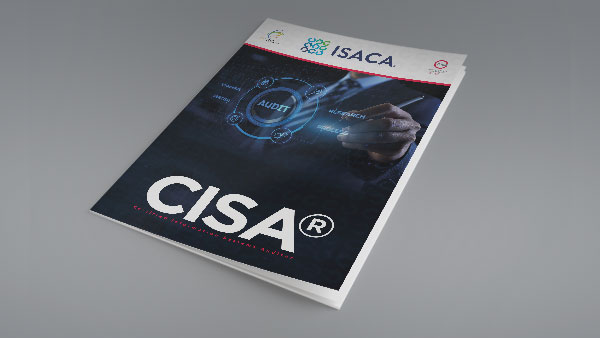
CISA (Certified Information Systems Auditor)
One of the most globally respected certifications for IT audit professionals.
CIA (Certified Internal Auditor)
Provides strong foundations in audit principles applicable to cybersecurity contexts.
CRISC (Certified in Risk and Information Systems Control)
Focused on enterprise risk management in information systems.
CISM (Certified Information Security Manager)
Valuable for auditors transitioning into broader governance and management roles.
These certifications signal expertise, credibility and commitment to professional standards.
Career Progression and Opportunities
The cybersecurity audit career path offers strong growth potential.
Entry-level professionals may begin as IT Audit Analysts or Junior Internal Auditors. With experience, roles progress toward:
- Senior Cybersecurity Auditor
- Audit Manager
- Risk and Compliance Manager
- Director of Internal Audit
- Chief Audit Executive
Given the global shortage of cybersecurity professionals, qualified auditors often benefit from strong job mobility and competitive compensation.
How to Start Your Journey
For individuals entering this field particularly those without prior cybersecurity experience structured training is essential.
The journey typically follows three stages:
- Foundational Understanding – Gaining knowledge of cybersecurity fundamentals and frameworks.
- Role-Specific Training (8–12 Weeks) – Learning practical audit methodologies, risk assessment techniques and reporting standards.
- Certification Preparation (5-Day Bootcamps) – Intensive preparation for professional exams such as CISA or CIA.
Hands-on simulations, case studies and guided mentorship significantly improve readiness for real-world audit environments.
Why Cybersecurity Audit Is a Strategic Career Choice
Cybersecurity Internal Auditors occupy a uniquely stable and influential position within organizations. Their work directly impacts governance, compliance and executive decision-making.
Unlike purely technical roles that may evolve rapidly with technology changes, audit and risk principles remain foundational across industries.
In a digital economy defined by uncertainty, regulatory complexity and growing cyber threats, the need for independent cybersecurity assurance will only intensify.
For professionals seeking long-term relevance, international recognition and structured career advancement, cybersecurity auditing offers a compelling and sustainable pathway.